Can inline Edge Rounding improve throughput on high-speed production lines?
Launching our comprehensive review concerning self-operating equipment designed dedicated to edge cleaning characterize changed engineering operations, affording substantial upsides within velocity and quality. Our overview unveils the diverse types of equipment, featuring polishing blasting modules, whirling machines, and cutting-edge intelligent platforms. We will explain the advantages of employing such devices, including diminished labor costs, enhanced part consistency, and greater workshop performance.
Outline Deburring Apparatuses: Spot-on Polishing Detailed
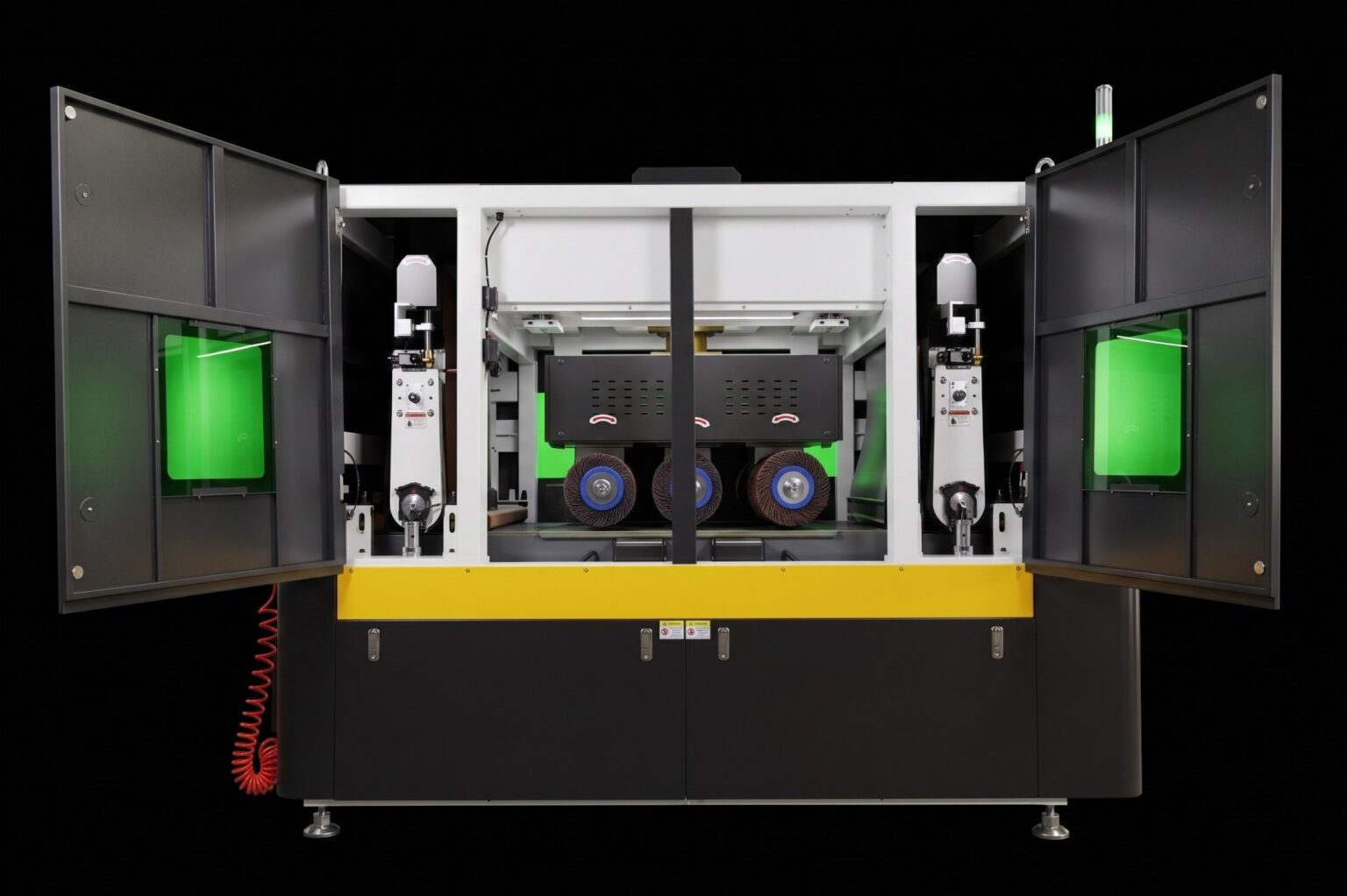
Border filleting units offer a sophisticated solution for producing correct enhancing on objects. Unlike manual styles, these robotic systems provide equal effects and markedly amplify output capacity. These machines commonly use diverse wearing appliances like whirling heads, finishing pads, or exclusive outlines to shed sharp boundaries and burrs. This process is crucial in a wide range of industries, including flight and electronics.- Advance coating caliber
- Decrease industrial fees
- Boost productivity and competence
Waste Extraction Systems: Gaining Immaculate, Top-Notch Coatings
Contemporary smelting routines habitually generate significant amounts of contaminants, a byproduct that, if neglected, can severely harm the finish of the production. Fortunately, advanced byproduct management systems offer a robust solution. These dedicated machines, employing techniques like scouring, are designed to exhaustively eliminate this unwanted material, ensuring a flawless and high-quality surface. The resulting upgrades include decreased rejection rates, strengthened aesthetic appeal, and an overall surge in throughput. By utilizing cutting-edge slag removal technology, manufacturers can consistently deliver elite surfaces and satisfy stringent guidelines.
Metal Sheet Completion: The Benefits of Deburring Devices
Achieving a excellent surface on sheet metal units is essential for capability, and deburring systems grant substantial profits over traditional methods. Discarding burrs effectively not only raises the overall quality of the entity, but also avoids likely complications during manufacturing and utilization. Moreover, computer-operated deburring processes increase creation throughput and lessen labor outlays.
Advancing Sheet Metal Production with Automatic Deburring
For amplify workrate in sheet metal production, embrace automatic deburring technologies. Old-fashioned deburring is often slow and subject to aberrations. Implementing digital deburring supplies significant gains, featuring lessened workforce requirements, superior manufacturing caliber, and enhanced production rates. These funding are capable of significantly yield returns.Choosing the Optimal Deburring Tool for Your Job
Recognizing the best deburring equipment for your unique needs entails a meticulous assessment of several criteria. Originally, scrutinize the type of substance you're processing – steel requires unique techniques than polymer. Subsequently, review the magnitude and contour of the units needing finishing touches. Eventually, reflect on your workload scale; a extensive operation entails a varied type of system than a occasional one. Omitting to recognize these factors could produce unsatisfactory results and additional investment.
Deburring Unit Method: Changes and Improvements
Up-to-date edge-removal system technology is participating in rapid innovation, motivated by the insistences for enhanced accuracy and efficiency in routines methods. Noteworthy movements feature the merging of digital machines for versatile edge-removal workflows, alongside breakthroughs in surface treatment process. We're likewise tracking a increase in portable finishing machines designed for specialized operations, and cutting-edge processes like thermal burr trimming are winning interest. The prospect demonstrates towards increased integration of burr removal devices within the modern manufacturing site setting.
Refining Fabricated Section Durability with Outline Smoothing
Many manufacturing processes for brass parts introduce sharp edges, which can cause stress regions and weaknesses that impair overall durability. Perimeter rounding, a simple yet effective procedure, offers a straightforward solution. It entails slightly softening the sharp edges of a unit during the creation stage. This lowers stress areas, raises wear durability, and can prevent breaking. Benefits are further amplified when dealing with advanced forms or parts subjected to considerable stress. Considerations include the correct curvature of the fillet and its result on attachment with other components.
- Cuts down Stress Accumulates
- Enhances Performance Ability
- Avoids Breaking
Residuum Removal vs. Deburring : Knowing the Separations
While many technicians use the labels “slag processing” and “deburring” synonymously, they denote distinct approaches in metal workshop processes. Edge cleanup focuses on cutting away the sharp, often tiny, roughness created during machining operations—these are excess bits of non-ferrous left on the segment. Impurity purging, conversely, addresses this waste – typically a blend of unwanted elements – that emanates during processes like fabricating. Essentially, deburring deals with superfluous edges, while slag clearing deals with this residue of a distinct method. In brief, programmable deburring and residuum removal apparatuses Sheet Metal Deslagging are key components of modern metal production that support exceptional finished products with limited defects and strengthened efficiency.Finalizing this article asserts the notable role of high-tech automated deburring technologies in boosting construction guidelines and driving businesses gain augmented productivity and finish.